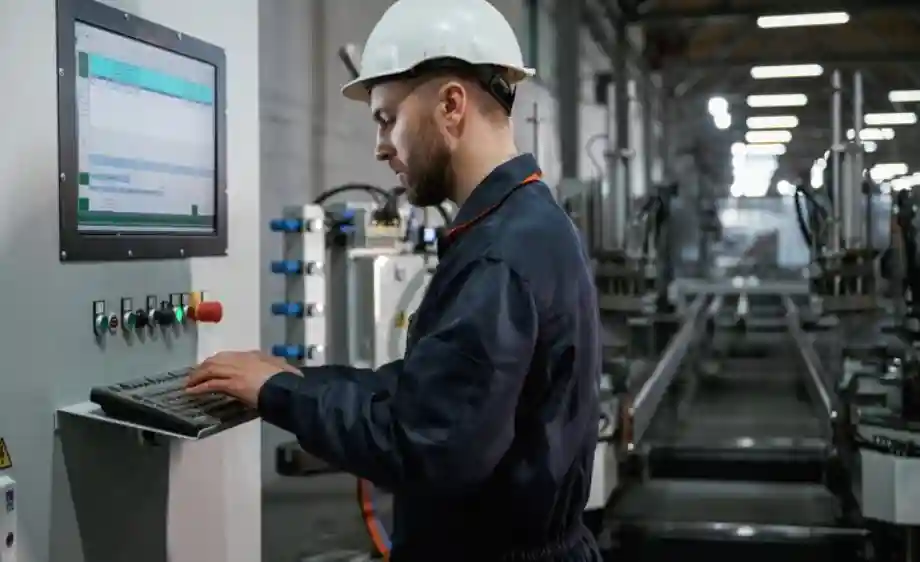
An industrial setup today needs more than just machines and manpower to stay competitive. It requires smart systems that can improve speed, accuracy, and overall productivity. This is where an industrial automation control systems provider plays an important role. By upgrading your existing setup with modern automation technologies, such a provider helps you improve efficiency, reduce errors, and make better use of resources. Instead of replacing your entire system, they focus on enhancing what you already have. This makes the transition smoother, cost-effective, and highly practical for industries of all sizes looking to grow and modernize their operations.
Improving Efficiency Through Smart Automation
One of the biggest benefits of working with an industrial automation control systems provider is improved efficiency. Traditional industrial processes often depend heavily on manual work, which can slow down production and increase the chances of mistakes. Automation systems help streamline these tasks by using sensors, controllers, and software that work together in real time. This allows machines to operate with minimal human intervention while maintaining consistent output. As a result, production becomes faster and more reliable. Over time, this improved efficiency leads to higher productivity and better use of available resources without adding unnecessary operational costs.
Enhancing Safety and Reducing Operational Risks
Safety is a major concern in any industrial environment. An upgraded control system can significantly reduce workplace risks by monitoring operations continuously and detecting potential issues early. An industrial automation control systems provider integrates safety features such as automatic shutdown systems, alarm systems, and real-time alerts. These systems help prevent accidents caused by equipment failure or human error. When machines are closely monitored and controlled through automated systems, workers are exposed to fewer hazards. This creates a safer working environment while also ensuring that production continues smoothly without unexpected interruptions.
Modernizing Legacy Equipment with Advanced Control Systems
Many industries still rely on older machines that may not be compatible with modern production demands. Instead of replacing them entirely, an industrial automation control systems provider can upgrade these legacy systems using advanced control technology. This includes adding programmable logic controllers, smart sensors, and updated software interfaces that allow older machines to function more efficiently. This modernization process extends the life of existing equipment while improving performance. It also helps businesses avoid the high cost of purchasing new machinery, making it a practical and budget-friendly solution for industrial improvement.
Better Data Monitoring and Decision Making
In today’s competitive market, data plays a key role in improving industrial performance. Automation systems allow real-time data collection from different parts of the production process. An industrial automation control systems provider helps set up systems that track performance, energy usage, and machine health. This data can be analyzed to identify inefficiencies and improve decision-making. Managers can make faster and more informed choices based on accurate information rather than guesswork. Over time, this leads to better planning, reduced downtime, and improved overall productivity across the industrial setup.
Conclusion
Upgrading an industrial setup does not always require complete replacement of existing systems. With the help of an industrial automation control systems provider, businesses can modernize their operations in a smart and cost-effective way. From improving efficiency and safety to upgrading old equipment and enabling better data usage, automation brings long-term benefits. It helps industries stay competitive while ensuring smoother, safer, and more productive operations.