
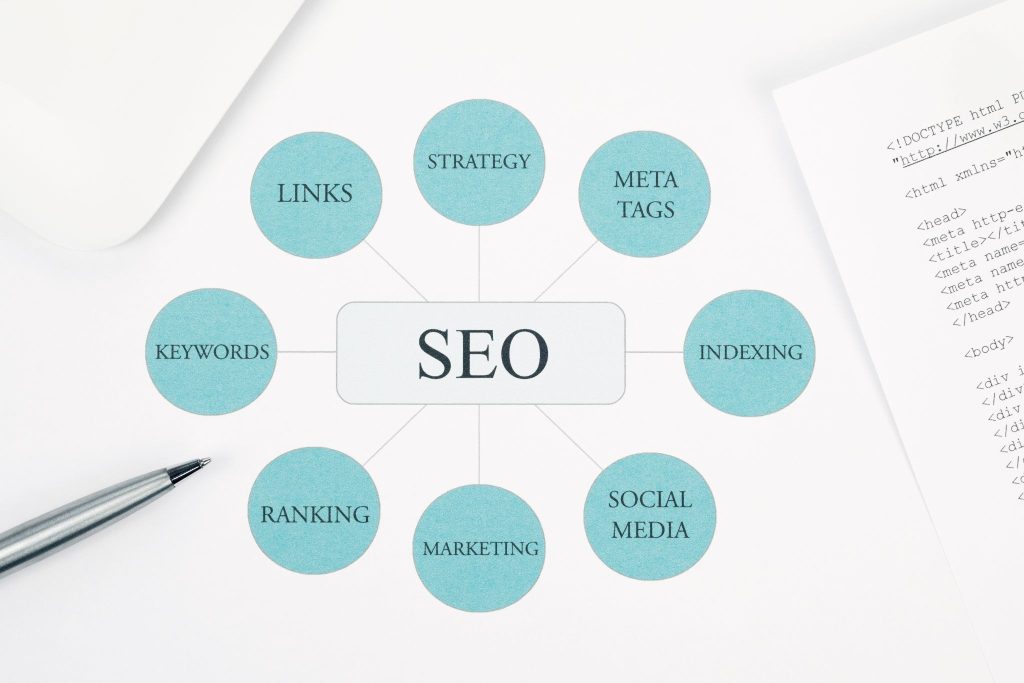
Search engine optimization (SEO) is the backbone of online visibility. For beginners, it can feel complex, but understanding the fundamentals makes a huge difference. SEO isn’t about shortcuts or tricking search engines—it’s about creating value for users while making your site discoverable. By following core SEO best practices, beginners can build a solid foundation that improves search rankings, drives traffic, and enhances user experience. This guide explores the most critical strategies and offers practical steps to start optimizing your website effectively.
Understanding On-Page SEO Fundamentals
On-page SEO involves optimizing elements on your website to improve its search engine friendliness. This includes title tags, meta descriptions, headers, and content. Each page on your site is an opportunity to signal relevance to both users and search engines. Keywords should be incorporated naturally, reflecting the topics people search for, without overstuffing. Effective on-page SEO also ensures a smooth user experience, which is increasingly important for ranking.
Crafting Effective Title Tags and Meta Descriptions
Title tags are the first thing searchers see in the results. A clear, descriptive title that includes your primary keyword can improve click-through rates. Meta descriptions, though not a direct ranking factor, provide context to searchers and can influence whether they click your link. Writing compelling descriptions that summarize your content and include relevant keywords increases the likelihood of attracting qualified traffic.
Using Headers and Internal Linking
Proper use of headers (H1, H2, H3) structures your content and makes it easier for both readers and search engines to understand. H1 tags should reflect the main topic, while H2s and H3s organize subtopics. Internal linking to other pages on your site enhances navigation, distributes page authority, and helps search engines index your content effectively.
Content Optimization Techniques
High-quality content is at the core of SEO success. Your content should answer questions, solve problems, and provide value. Keywords should appear naturally in titles, headings, and throughout the text. Multimedia, including images, videos, and infographics, improves engagement and keeps readers on your site longer, signaling quality to search engines.
Writing for Readability and Engagement
Readability affects both user experience and SEO. Short paragraphs, clear subheadings, and bullet points make content easier to digest. Writing in a conversational tone and using active voice engages readers more effectively. The goal is to make your content accessible and actionable, keeping visitors interested and encouraging them to explore other pages.
Regular Updates and Evergreen Content
SEO isn’t a one-time effort. Updating content ensures it remains relevant and maintains rankings. Evergreen content, such as how-to guides or educational posts, provides lasting value and continues to attract traffic over time. Balancing evergreen content with timely updates or news-related posts helps keep your site authoritative and dynamic.
Technical SEO Essentials
Technical SEO focuses on the backend of your website, ensuring it’s easily crawled and indexed by search engines. Even the best content can fail to rank if the technical foundation is weak. Key areas include site speed, mobile optimization, URL structure, and structured data.
Mobile Optimization
With the majority of searches now occurring on mobile devices, responsive design is critical. Pages must load quickly, display correctly on all screen sizes, and provide an intuitive user experience. Tools like Google’s Mobile-Friendly Test can identify areas for improvement, ensuring your site meets modern expectations.
Site Structure and Crawlability
A logical site structure makes navigation intuitive for users and search engines. Organize content hierarchically and ensure all important pages are accessible. Broken links and unclear navigation can prevent search engines from indexing your content properly. Sitemaps and robots.txt files guide search engine crawlers, improving discoverability and rankings.
Off-Page SEO and Link Building Basics
Off-page SEO refers to actions taken outside your website that impact rankings. Backlinks from reputable sites signal authority and trustworthiness to search engines. Focus on earning high-quality links naturally through guest posts, collaborations, and creating content others want to share. Social sharing, mentions, and brand awareness also contribute indirectly to search visibility.
Avoid low-quality link schemes or spammy directories, as these can harm your rankings. The goal is to build credibility and demonstrate that your content is valuable and relevant to your audience.
Tracking Performance and Continuous Improvement
SEO is an ongoing process. Tools like Google Analytics and Google Search Console provide insights into traffic, user behavior, and search performance. Monitoring metrics such as page views, bounce rates, and keyword rankings helps you understand what’s working and what needs adjustment. Regularly analyzing these metrics allows you to refine strategies, optimize underperforming pages, and double down on successful tactics.
At the same time, staying up-to-date with algorithm changes and emerging trends ensures your SEO practices remain effective. Even beginners can develop a data-driven mindset that guides decision-making and improves long-term results.
Integrating SEO Best Practices Strategically
Beginners should prioritize actions that provide the greatest impact without overwhelming complexity. Start with solid on-page optimization, gradually address technical SEO, and pursue high-quality content creation. Off-page strategies and link building can be introduced once your site has foundational elements in place. By integrating these practices strategically, you create a sustainable SEO approach that builds authority, attracts visitors, and improves search rankings steadily over time.
Conclusion
Mastering SEO best practices as a beginner requires patience, consistency, and a structured approach. On-page optimization, content quality, technical health, and off-page credibility all work together to improve rankings. By focusing on these core areas, monitoring performance, and refining strategies based on real data, beginners can develop a strong SEO foundation. SEO is not a one-time task but an ongoing journey. The effort invested in learning and applying best practices will pay off with better visibility, more traffic, and long-term online success.
FAQs
1. What are the most important SEO best practices for beginners?
Focus on keyword research, on-page optimization, quality content, mobile-friendly design, and building authoritative backlinks for steady improvement.
2. How often should beginners update their website content for SEO?
Regularly review and refresh content at least every 6–12 months, updating facts, keywords, and multimedia to maintain relevance and rankings.
3. Do meta descriptions affect SEO rankings directly?
Meta descriptions don’t directly influence rankings but improve click-through rates by providing users with clear, compelling summaries of your pages.
4. How can beginners track the effectiveness of their SEO efforts?
Use Google Analytics and Search Console to monitor traffic, bounce rates, keyword performance, and user engagement to guide optimization decisions.
5. Should beginners focus on technical SEO immediately?
Start with basic on-page and content strategies, then gradually implement technical SEO improvements like site speed, mobile optimization, and structured data for better results.