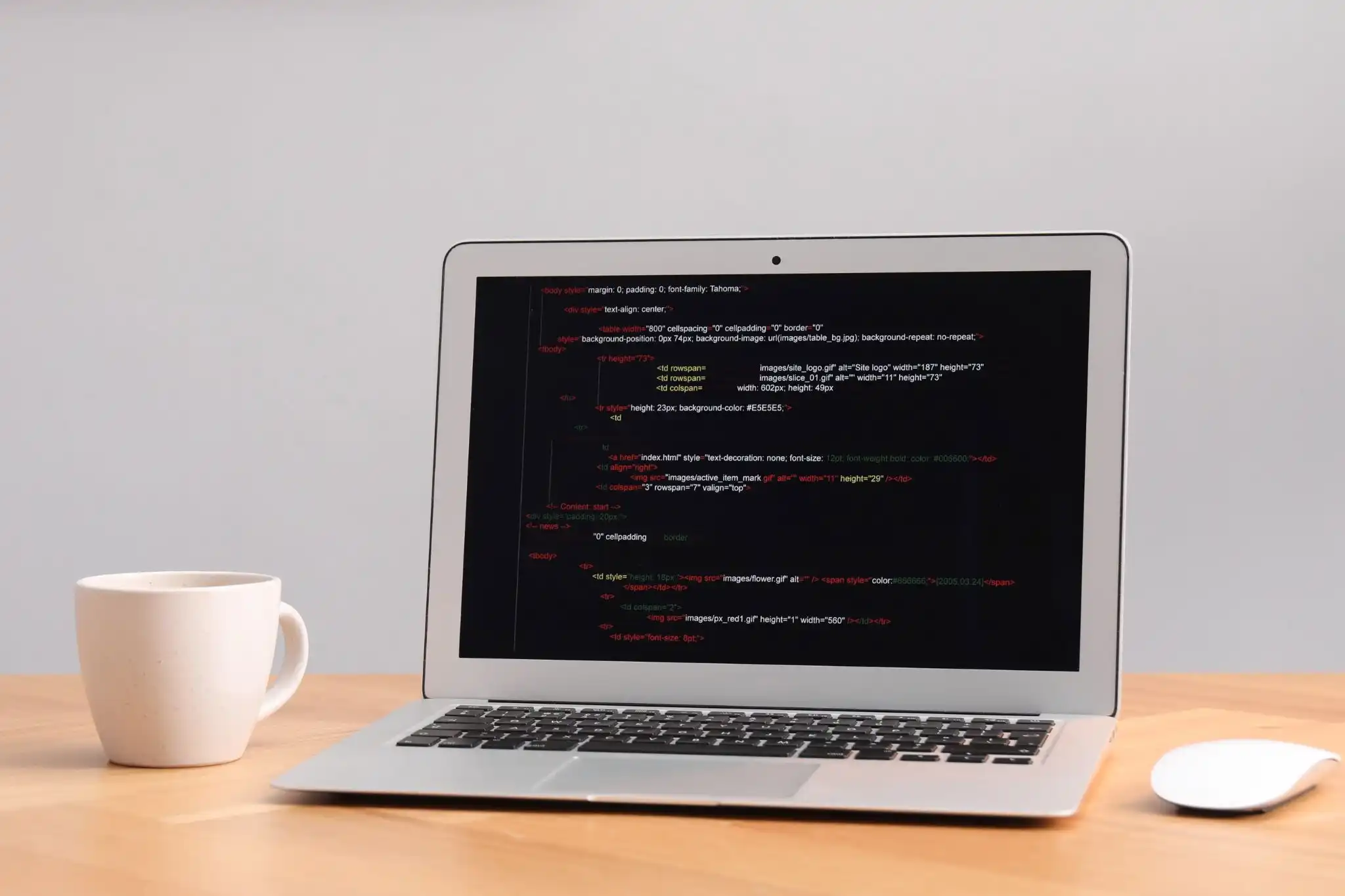
The web you experience every day is not accidental. Every smooth animation, responsive layout, and intuitive interface exists because someone carefully chose the right tools to build it. Frontend development is where technology meets human emotion. It is the craft of turning raw code into experiences people actually enjoy using. For aspiring developers and seasoned professionals alike, understanding which frontend development languages truly matter can shape careers and determine how effectively ideas become reality.
The landscape changes constantly. New frameworks emerge, browsers evolve, and user expectations rise. Yet beneath the noise, a core set of languages continues to power almost everything you see online. Mastering them is less about chasing trends and more about building a solid foundation that adapts as the industry moves forward.
The Emotional Power of Frontend Development
Frontend work is deeply human. Users do not see your algorithms or server logic. They see colors, typography, buttons, transitions, and responsiveness. A slow interface frustrates them. A beautiful one builds trust instantly. This emotional connection makes frontend development uniquely impactful.
Research in user experience consistently shows that people form opinions about a website within seconds. That first impression depends largely on frontend decisions. Clean layout, readable text, fast loading, and smooth interaction all stem from language capabilities used wisely.
Developers who understand this emotional dimension approach coding differently. They do not just write instructions for machines. They design experiences for people.
The Foundation: HTML as the Skeleton of the Web
HyperText Markup Language is not technically a programming language, yet it is impossible to discuss frontend development languages without it. HTML defines structure. It tells browsers what content exists and how it is organized.
Every webpage begins here. Headings, paragraphs, images, navigation menus, forms, and semantic sections all rely on HTML. Without it, there is nothing for styling or scripting languages to enhance.
Why Semantic HTML Matters More Than Ever
Modern development emphasizes accessibility and search visibility. Semantic HTML elements such as header, main, article, and section help screen readers interpret content. They also assist search engines in understanding page structure.
Using proper semantics improves both usability and discoverability. It signals professionalism and technical maturity.
CSS: Turning Structure Into Beauty
If HTML is the skeleton, Cascading Style Sheets are the skin and clothing. CSS controls appearance, layout, spacing, colors, fonts, responsiveness, and animations. It transforms raw content into visual identity.
Modern CSS is far more powerful than many people realize. Features like Flexbox, Grid, custom properties, and advanced selectors allow intricate layouts without heavy scripting.
Responsive Design and Mobile Reality
More than half of global web traffic comes from mobile devices. CSS enables layouts that adapt gracefully to different screen sizes. Media queries, fluid units, and flexible containers ensure usability everywhere.
Responsive design is not optional anymore. It is a baseline expectation.
Animation and Interaction Without JavaScript
CSS can animate transitions, hover effects, and even complex sequences. These lightweight animations improve perceived performance because they run efficiently in browsers.
Used thoughtfully, motion guides attention and makes interfaces feel alive rather than static.
JavaScript: The Brain Behind Interaction
JavaScript is the only true programming language natively supported by all major browsers. It controls behavior, logic, and dynamic content. Without JavaScript, modern web applications would feel lifeless.
From simple form validation to real-time updates and complex client-side applications, JavaScript powers interaction.
Why JavaScript Dominates Frontend Development
Its ubiquity makes it unavoidable. Developers can manipulate the Document Object Model, handle events, communicate with servers, and manage application state using one language.
Over the years, JavaScript has evolved dramatically. Modern syntax improves readability and reduces common errors. Features such as modules, promises, and async functions enable scalable architectures.
Performance and User Experience
Efficient JavaScript makes interfaces feel instant. Poorly optimized scripts cause lag, excessive memory usage, and crashes. Understanding performance principles separates professional developers from beginners.
Minimizing blocking operations and managing rendering cycles ensures smooth experiences.
TypeScript: Bringing Discipline to JavaScript
As applications grew larger, developers needed stronger safeguards against bugs. TypeScript emerged as a superset of JavaScript that adds static typing. It allows developers to catch errors during development rather than after deployment.
Large companies increasingly adopt TypeScript because it improves maintainability. When multiple developers collaborate, type definitions clarify expectations and reduce misunderstandings.
Why Type Safety Matters
In complex interfaces, data flows through many components. Incorrect assumptions can cause subtle failures. TypeScript enforces contracts, making codebases more predictable.
Developers often describe it as adding guardrails without sacrificing flexibility.
Framework Languages and Ecosystems
While core languages form the foundation, frameworks shape how they are used in practice. They provide structure, reusable components, and productivity tools.
JavaScript Frameworks That Changed the Industry
Modern frontend development frequently revolves around ecosystems built on JavaScript. Component-based architecture allows developers to build interfaces as modular pieces that update efficiently.
These tools streamline tasks like routing, state management, and performance optimization.
The Role of JSX and Template Syntax
Some frameworks introduce specialized syntax extensions that blend HTML-like structures with JavaScript logic. This approach simplifies component creation and improves readability once mastered.
Understanding the underlying languages makes these abstractions far less intimidating.
WebAssembly and the Future of Frontend Languages
Emerging technologies are expanding what browsers can do. WebAssembly allows code written in languages like C++ or Rust to run at near-native speed in the browser. This opens possibilities for advanced graphics, simulations, and heavy computations previously reserved for desktop applications.
Although not yet essential for most projects, awareness of these developments helps developers stay future-ready.
Accessibility as a Language Skill
Frontend development is not only about visuals. Accessibility ensures that people with disabilities can use websites effectively. Proper markup, keyboard navigation, ARIA attributes, and semantic structure all play roles.
Legal requirements in many regions now mandate accessible design. Beyond compliance, inclusive interfaces reflect ethical responsibility.
Developers who master accessibility techniques stand out in the job market because demand exceeds supply.
Performance Optimization Techniques
Users expect pages to load instantly. Studies show that delays of even a few seconds significantly increase abandonment rates. Frontend languages provide tools to minimize loading time and improve responsiveness.
Efficient asset management, lazy loading, code splitting, and caching strategies all contribute to speed. Understanding how browsers render pages allows developers to eliminate bottlenecks.
Performance is not a luxury feature. It is a competitive advantage.
Real-World Advice From Experienced Developers
Seasoned professionals often emphasize depth over breadth. Learning many languages superficially creates fragile skills. Mastering core technologies thoroughly enables adaptation to new tools later.
One senior developer described frontend mastery as learning to cook rather than memorizing recipes. Once you understand ingredients and techniques, you can create almost anything.
Building real projects accelerates learning far more than tutorials alone. Challenges encountered during development teach problem-solving skills that theoretical knowledge cannot provide.
Career Opportunities in Frontend Development
Demand for frontend specialists continues to grow across industries. Businesses increasingly rely on digital platforms to engage customers. Skilled developers who can deliver fast, accessible, visually appealing interfaces are highly valued.
Remote work opportunities are particularly strong in this field because collaboration tools allow distributed teams to function effectively. Freelancing is another viable path. Many small companies need website improvements, but cannot maintain full-time development staff.
Balancing Creativity and Engineering
Frontend work sits at the intersection of art and science. Designers imagine experiences, while developers implement them within technical constraints. Communication between these roles determines project success. Developers who understand design principles produce more polished results. Similarly, designers who grasp technical limitations create feasible concepts. Bridging this gap requires empathy and continuous learning.
Common Mistakes Beginners Make
New developers often rush into frameworks without mastering fundamentals. This leads to confusion when tools behave unexpectedly. Understanding core frontend development languages prevents dependency on tutorials.
Another mistake is ignoring cross-browser compatibility. Features that work perfectly in one browser may fail in another if not tested properly.
Finally, many beginners underestimate the importance of debugging skills. Identifying and fixing issues efficiently is a hallmark of professional expertise.
The Future of Frontend Development Languages
The web will continue evolving, but foundational technologies remain remarkably stable. Innovations typically extend existing capabilities rather than replacing them entirely.
Artificial intelligence, augmented reality, and immersive experiences are pushing browsers toward new frontiers. Developers who understand core principles will adapt seamlessly as tools change. Frontend development is not just a career path. It is participation in shaping how humanity interacts with digital information.
Final Thoughts
Essential frontend development languages are not merely technical tools. They are instruments for storytelling, problem-solving, and connection. HTML structures meaning, CSS expresses identity, JavaScript brings interactivity, and TypeScript adds reliability. Together they form the backbone of modern web experiences.
Mastering them requires patience, curiosity, and continuous practice. Yet the reward is profound: the ability to create interfaces that millions of people may use every day. Few professions offer such an immediate and visible impact. If you are beginning this journey, remember that every expert once struggled with their first line of code. Progress comes not from perfection but persistence.
FAQs
Which language should I learn first for frontend development languages mastery?
Start with HTML to understand structure, then CSS for styling, followed by JavaScript for behavior. This sequence reflects how browsers process webpages and builds a solid foundation. Skipping fundamentals often causes confusion later, especially when working with frameworks or complex interactive applications that rely on core concepts.
Is JavaScript alone enough for modern frontend development languages expertise?
JavaScript is essential but not sufficient by itself. Effective frontend work also requires strong HTML and CSS skills to handle layout, accessibility, and responsiveness. Many employers additionally prefer TypeScript knowledge because it improves maintainability and reduces errors in large codebases developed by collaborative teams.
Do frontend developers need to learn frameworks immediately?
Frameworks are powerful but should come after mastering fundamentals. Understanding core frontend development languages ensures you can debug issues and adapt to different tools. Developers who rely solely on frameworks often struggle when requirements change or when they must optimize performance beyond what default configurations provide.